Solar 33 percent rule and rooftop installations
AI-assisted summary based on reporting fromEngadget.About our reporting
Key Points
- •Rooftop solar panel installations in the US are limited by fire safety access regulations known as the 33 percent rule.
- •The regulation requires specific setbacks and access pathways so firefighters can safely reach the roof during an emergency.
- •Local building codes determine how the rule is applied, meaning what is permitted in one town may not be allowed in another.
Listen to this story (Audio briefing)
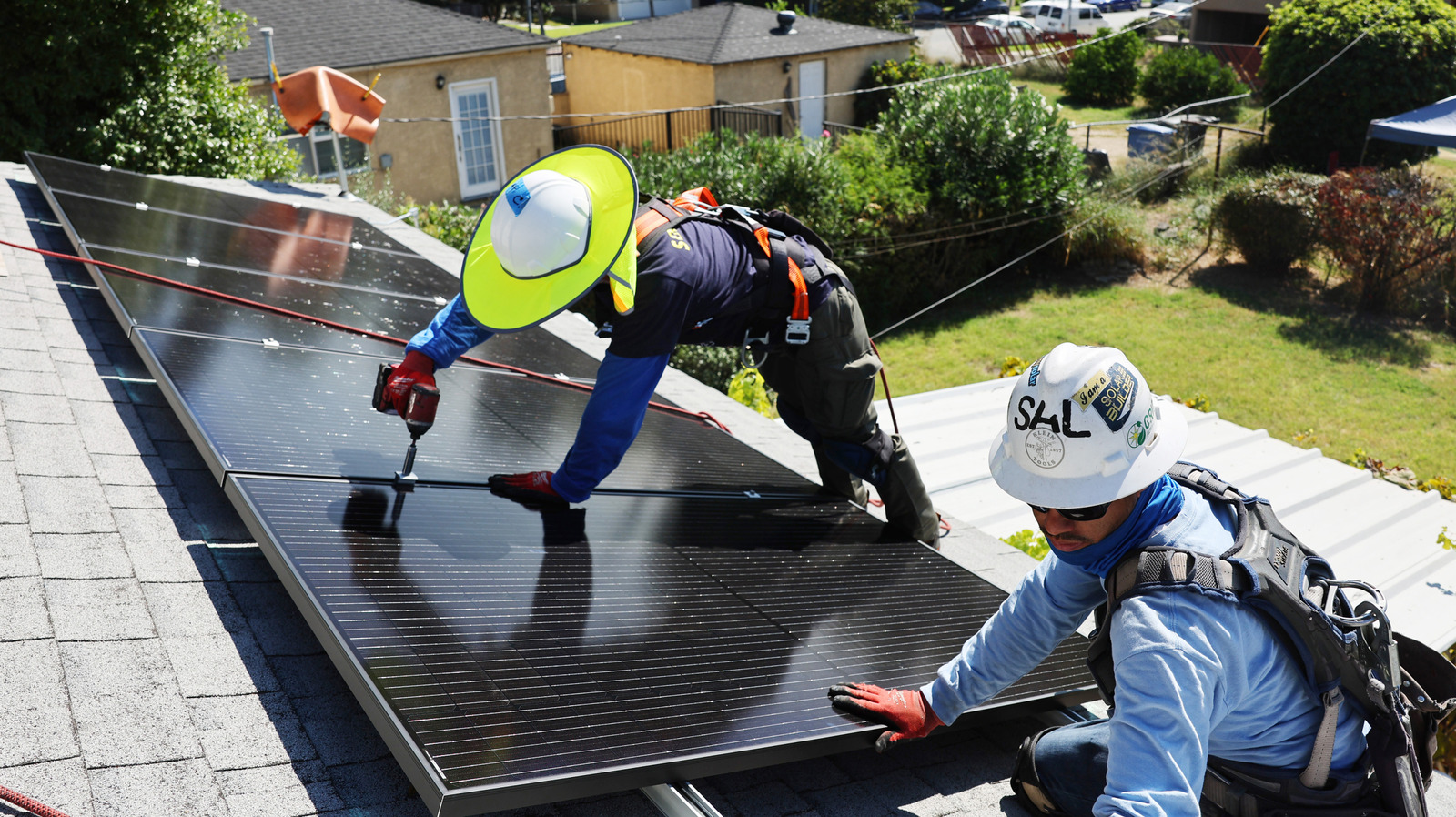
Rising energy costs have led many people to consider investing in rooftop solar panels to capture power and reduce their household expenses. Before filling a roof with panels, property owners need to understand how fire safety regulations shape their installation plans and overall budget. In the United States, the number of panels that can be installed is constrained by the need for fire safety access under the regulations commonly referred to as the 33 percent rule. This guideline mandates specific setbacks and access pathways to ensure firefighters can safely reach the roof. Property owners should avoid confusing this fire safety regulation with the inverter sizing guideline, which is also sometimes called the 33 percent rule. That separate guideline states that a solar inverter can typically handle panels totaling up to 133 percent of its stated capacity. Because the fire safety rule is enforced through local building codes, installation permissions can vary significantly. What is permitted in one town might not be allowed in another location. The regulation itself is defined by United States residential fire and building codes, including Section R324.6 of the International Residential Code, Section 11.12 of the NFPA, and Section 1204 of the International Fire Code. Crucially, the guideline does not prevent a property owner from covering more than 33 percent of a roof in panels. Instead, it requires individuals to take fire access into account during the planning phase. Certain roof layouts can still support extensive coverage after the regulations are applied, although homes with dormer windows require an additional clearance zone. The overall design ensures that firefighters can safely access the roof if a fire breaks out. The physical type of roof on a building also matters for the project. Simple flat or gabled roofs make planning much easier, usually leaving more usable space for hardware. Conversely, more complex roof layouts limit the available area for solar panels once the safety rule is applied. In some situations, property owners may ultimately decide that a balcony solar installation is more suitable for their property. Plotting the positions of access pathways and ridge setbacks serves as a free, helpful first step before selecting any equipment.
Analysis: Understanding local building codes and fire safety regulations before purchasing rooftop equipment helps property owners plan their solar energy investments effectively. Evaluating roof layouts and clearance requirements can prevent costly installation errors and guide decisions toward alternative setups like balcony systems.
Related Stories in AI & Tech
More in AI & Tech →
Smartphone battery life: how to charge your device
Smartphone batteries are lithium-ion and degrade over time based on charging habits and temperature.

Mechanical vs. membrane keyboards: A comparison
Membrane keyboards use a flexible layer of plastic and rubber to register keystrokes.

Smart TV lifespan and how long displays last
On average, a new smart TV can last from seven to 10 years.

Intel Arc GPUs: Are they still worth buying in 2026?
Intel launched its Arc GPU lineup in 2022, initially facing criticism for poor drivers and system instabilities.

Old iPads can replace costly smart gadgets
An old iPad can replace expensive gadgets costing between $150 and $300.

PlayStation 5 Pro PC build cost and comparison
Sony's PlayStation 5 Pro costs up to $900 before add-ons.
Want to Work Remotely for US & Global Tech Companies?
400+ verified remote positions in AI engineering, cloud development, design, and executive leadership are hiring now worldwide. Fast-track direct application with guaranteed employer delivery.
Subscribe to Our Daily AI & Market Briefing
Get our curated daily news brief, clear market takeaways, and essential video dispatches delivered directly to your inbox.