Smartphone battery life: how to charge your device
AI-assisted summary based on reporting fromEngadget.About our reporting
Key Points
- •Smartphone batteries are lithium-ion and degrade over time based on charging habits and temperature.
- •Modern phones include features like Optimized Battery Charging, Adaptive Charging, and battery protection settings.
- •Users can charge their phones whenever they like, as a charging cycle is based on using the equivalent of 100 percent of the battery.
Listen to this story (Audio briefing)
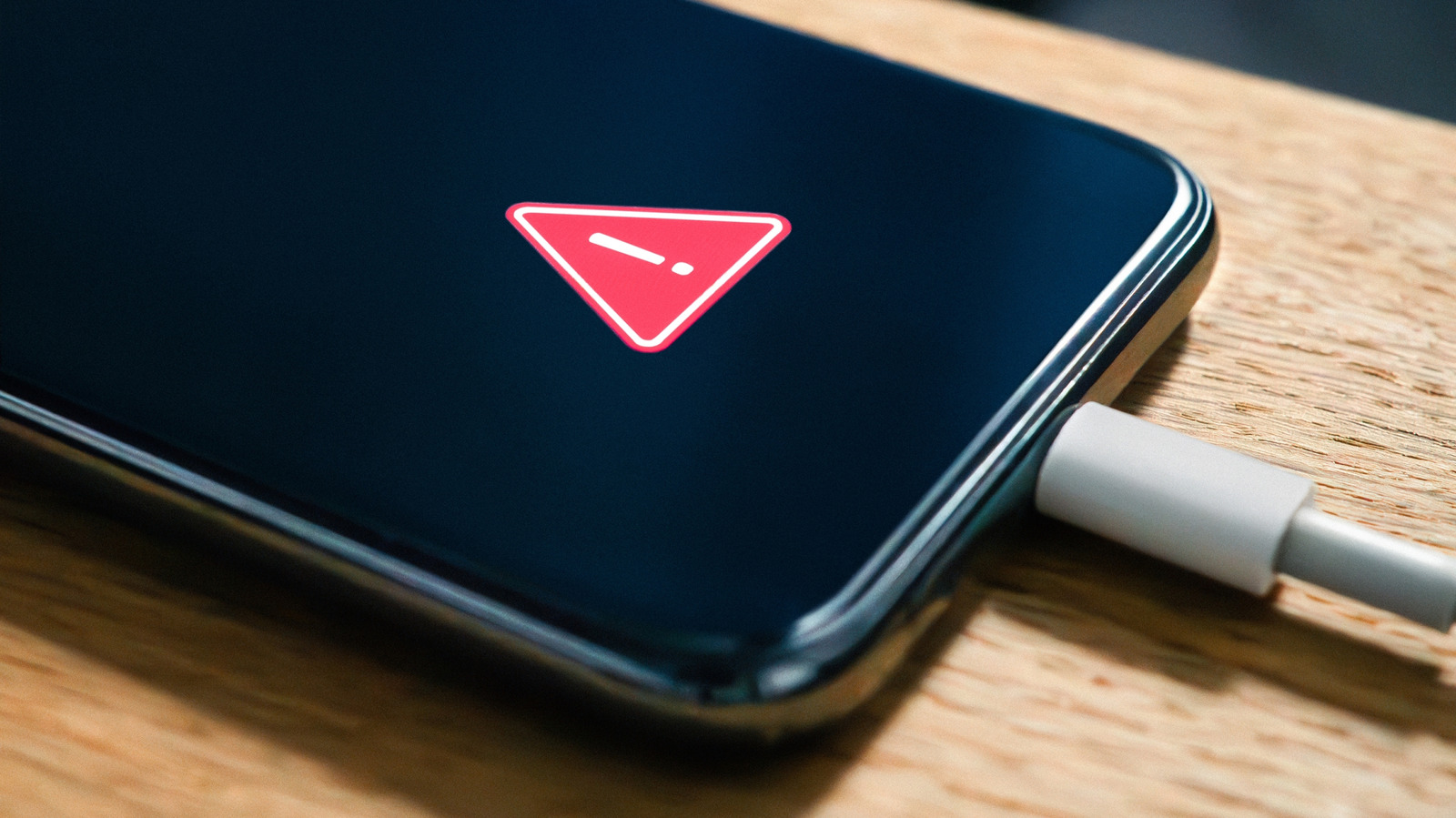
Smartphone batteries are made of lithium-ion, a material that naturally wears out as time passes. According to Apple, the speed at which this degradation occurs is influenced by how a user charges their device and the temperatures the phone is exposed to. Modern smartphones are equipped with features designed to manage charging processes. iPhones offer Optimized Battery Charging, Pixel devices feature Adaptive Charging, and Samsung Galaxy phones include built-in battery protection settings. While overnight charging is less of a concern than it once was, these automated features do not address issues related to heat or the use of poor-quality cables. On some Galaxy models, users must manually enable battery protection settings.
Batteries experience faster wear when kept at 100 percent charge for extended periods. To mitigate this, manufacturers have introduced settings that limit the maximum charge level. For example, iPhone 15 and newer models allow users to set a limit between 80 and 100 percent. Pixel 6a and later models offer an 80 percent limit, while Galaxy phones running One UI 6.1 or later provide a maximum setting that stops at 80 percent. Users should note that limiting the charge reduces the total battery capacity available for the day. It is not necessary to drain a modern battery to 0 percent before recharging. A charging cycle represents the use of 100 percent of the battery capacity, which can occur over multiple days. If a phone will be stored for a long time, it should be charged to 50 percent, turned off, and topped up to 50 percent every six months.
Analysis: Understanding how lithium-ion batteries function helps users extend the lifespan of their devices. By utilizing built-in software settings and avoiding extreme charging habits, owners can manage the natural degradation of their phone batteries.
Related Stories in AI & Tech
More in AI & Tech →
Mechanical vs. membrane keyboards: A comparison
Membrane keyboards use a flexible layer of plastic and rubber to register keystrokes.
Smart TV lifespan and how long displays last
On average, a new smart TV can last from seven to 10 years.

Intel Arc GPUs: Are they still worth buying in 2026?
Intel launched its Arc GPU lineup in 2022, initially facing criticism for poor drivers and system instabilities.
Old iPads can replace costly smart gadgets
An old iPad can replace expensive gadgets costing between $150 and $300.

PlayStation 5 Pro PC build cost and comparison
Sony's PlayStation 5 Pro costs up to $900 before add-ons.
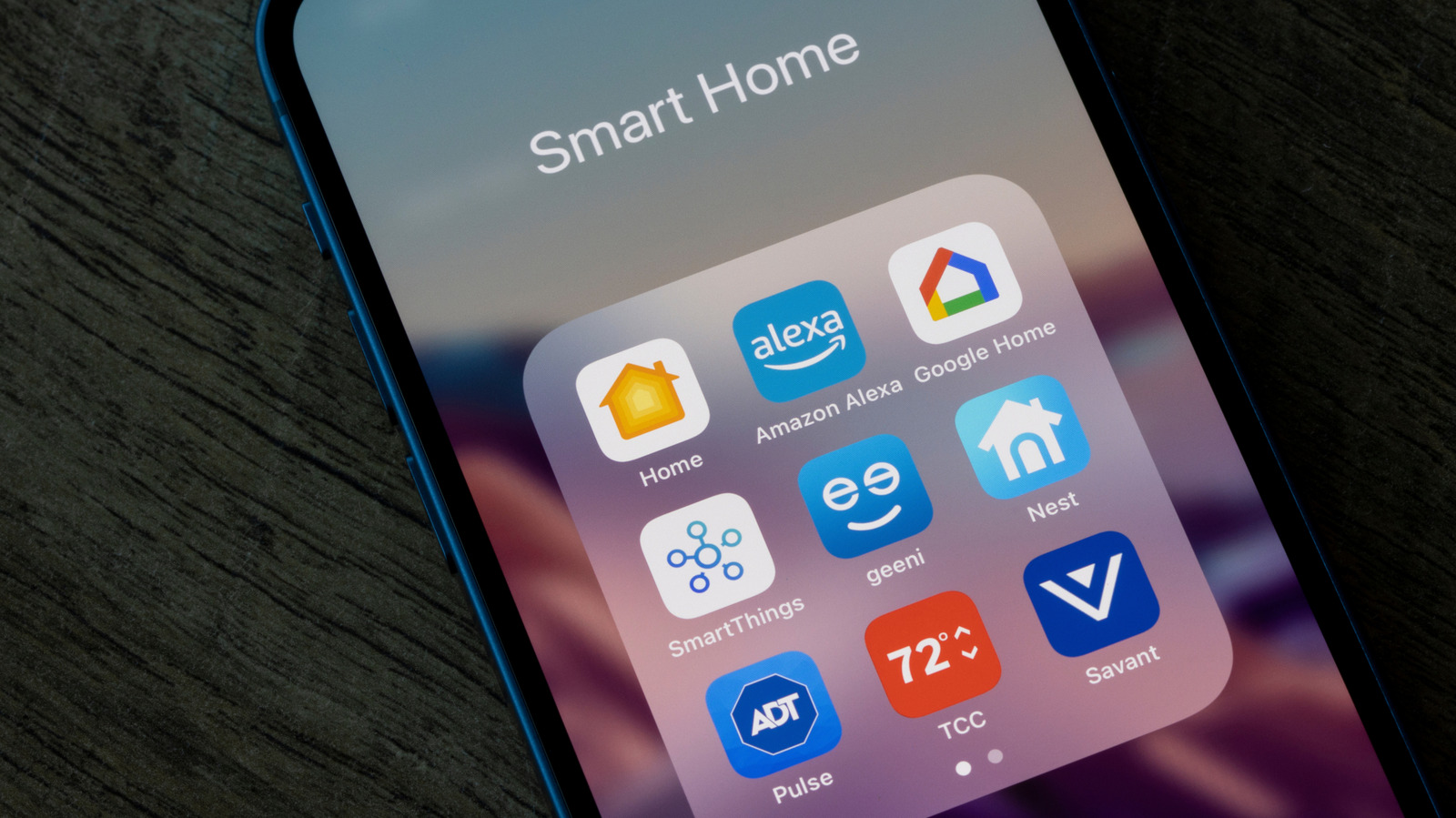
Old phone smart home remote setup guide
Old smartphones or tablets can be repurposed as a dedicated smart home dashboard to control lights, cameras, and robot vacuums.
Want to Work Remotely for US & Global Tech Companies?
400+ verified remote positions in AI engineering, cloud development, design, and executive leadership are hiring now worldwide. Fast-track direct application with guaranteed employer delivery.
Subscribe to Our Daily AI & Market Briefing
Get our curated daily news brief, clear market takeaways, and essential video dispatches delivered directly to your inbox.