Smart TV lifespan and how long displays last
AI-assisted summary based on reporting fromEngadget.About our reporting
Key Points
- •On average, a new smart TV can last from seven to 10 years.
- •An LCD TV typically lasts for five to seven years, while an OLED TV can last for 8-12 years.
- •Heat, high brightness settings, and electrical fluctuations affect how long a smart TV lasts.
Listen to this story (Audio briefing)
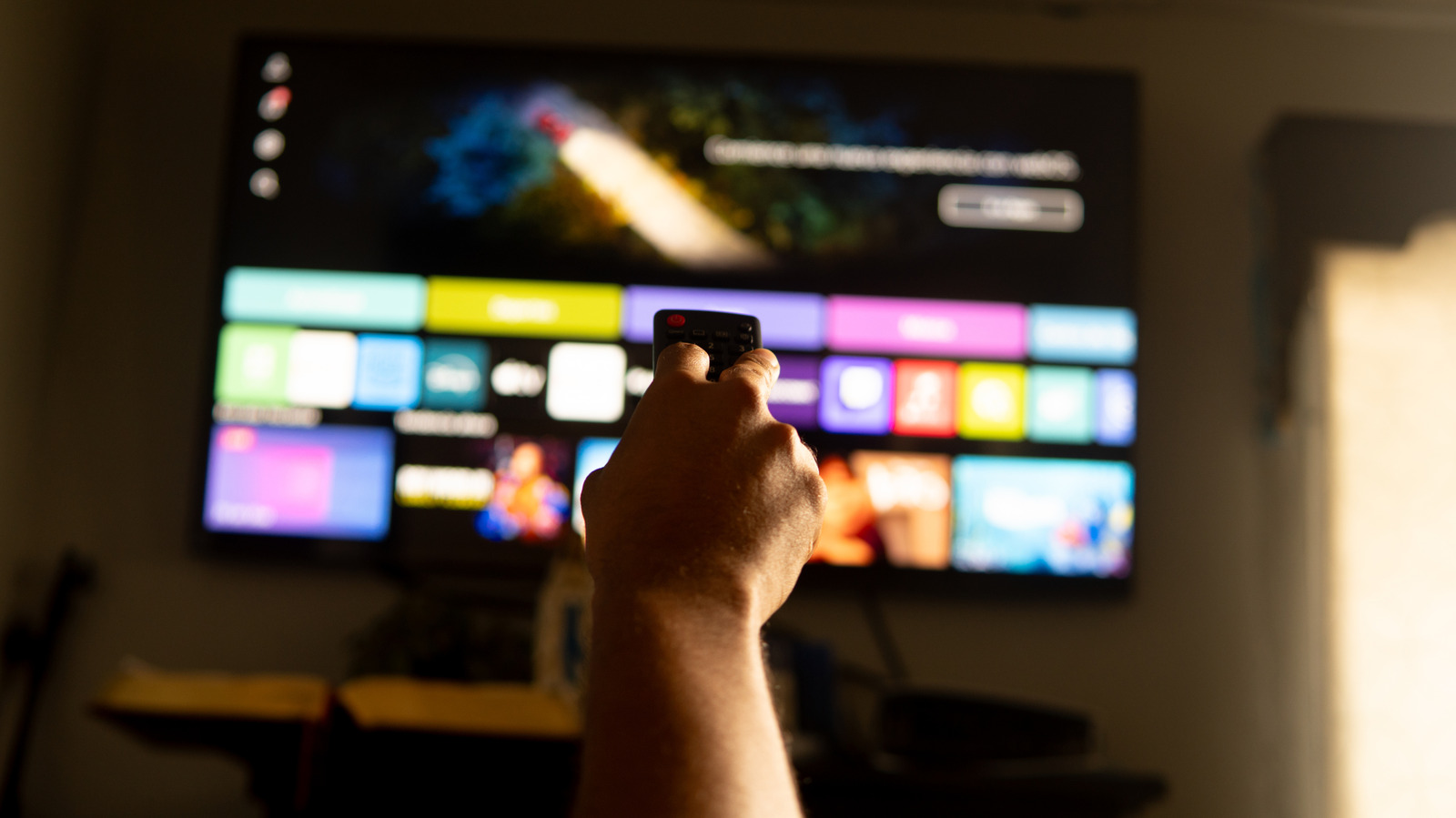
Purchasing a new smart TV involves considering its expected lifespan, which typically ranges from seven to 10 years on average. Taking extra good care of the device can extend its years of use. Because televisions come in various sizes and panel types, different materials feature different lifespans. Standard LED and LCD televisions typically last for five to seven years, whereas OLED displays can last for eight to 12 years. Internal components such as the logic board often wear and fail even before the display panel itself. A standard LED or LCD television is rated for 40,000 to 60,000 hours of usage. Meanwhile, QLED and mini LED displays are rated for 60,000 to 100,000 hours and average around eight to 10 years of use. OLED panels are also rated for up to 100,000 hours with a typical lifespan of eight to 12 years, though they carry the risk of burn-in. MicroLED televisions offer the longest overall lifespan with over 100,000 rated hours and a typical lifespan of 11 or more years. Rated hours measure gradual dimming, which represents the time it takes for a panel's brightness to drop below 50 percent of its original output. However, most televisions fail outside the laboratory due to factors other than reaching their rated hours. Heat represents one of the largest influences, particularly on LED and LCD screens where it concentrates around the edges and accelerates backlight wear. Operating a television constantly at maximum brightness causes components to wear out faster, and electrical fluctuations can slowly degrade the power supply and logic board over time.
Understanding the expected lifespan of a smart TV helps consumers realize how usage habits, panel types, and environmental factors like heat and brightness influence hardware durability. These factors determine whether a television will reach its maximum operational potential.
Related Stories in AI & Tech
More in AI & Tech →
Smartphone battery life: how to charge your device
Smartphone batteries are lithium-ion and degrade over time based on charging habits and temperature.

Mechanical vs. membrane keyboards: A comparison
Membrane keyboards use a flexible layer of plastic and rubber to register keystrokes.
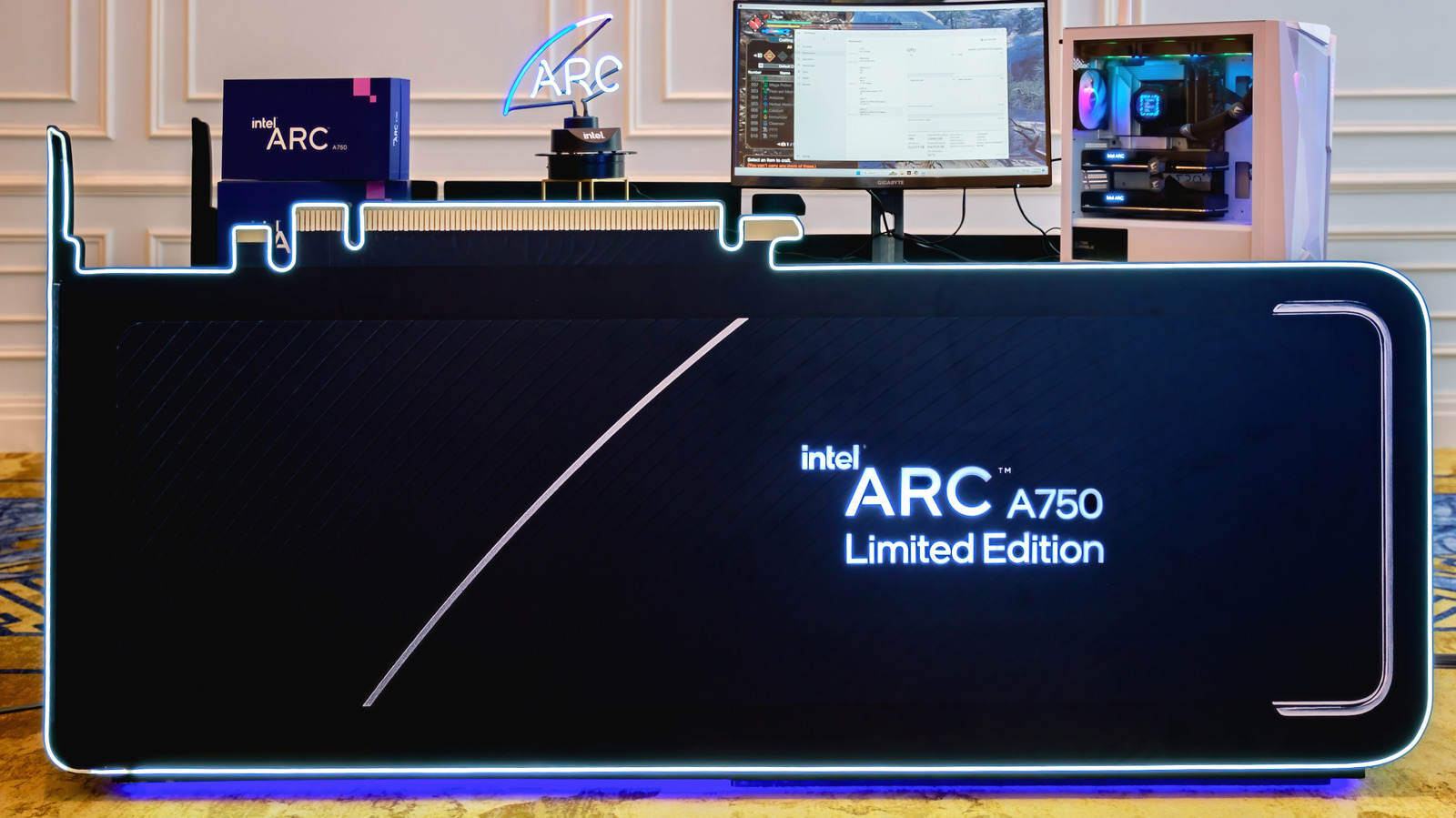
Intel Arc GPUs: Are they still worth buying in 2026?
Intel launched its Arc GPU lineup in 2022, initially facing criticism for poor drivers and system instabilities.
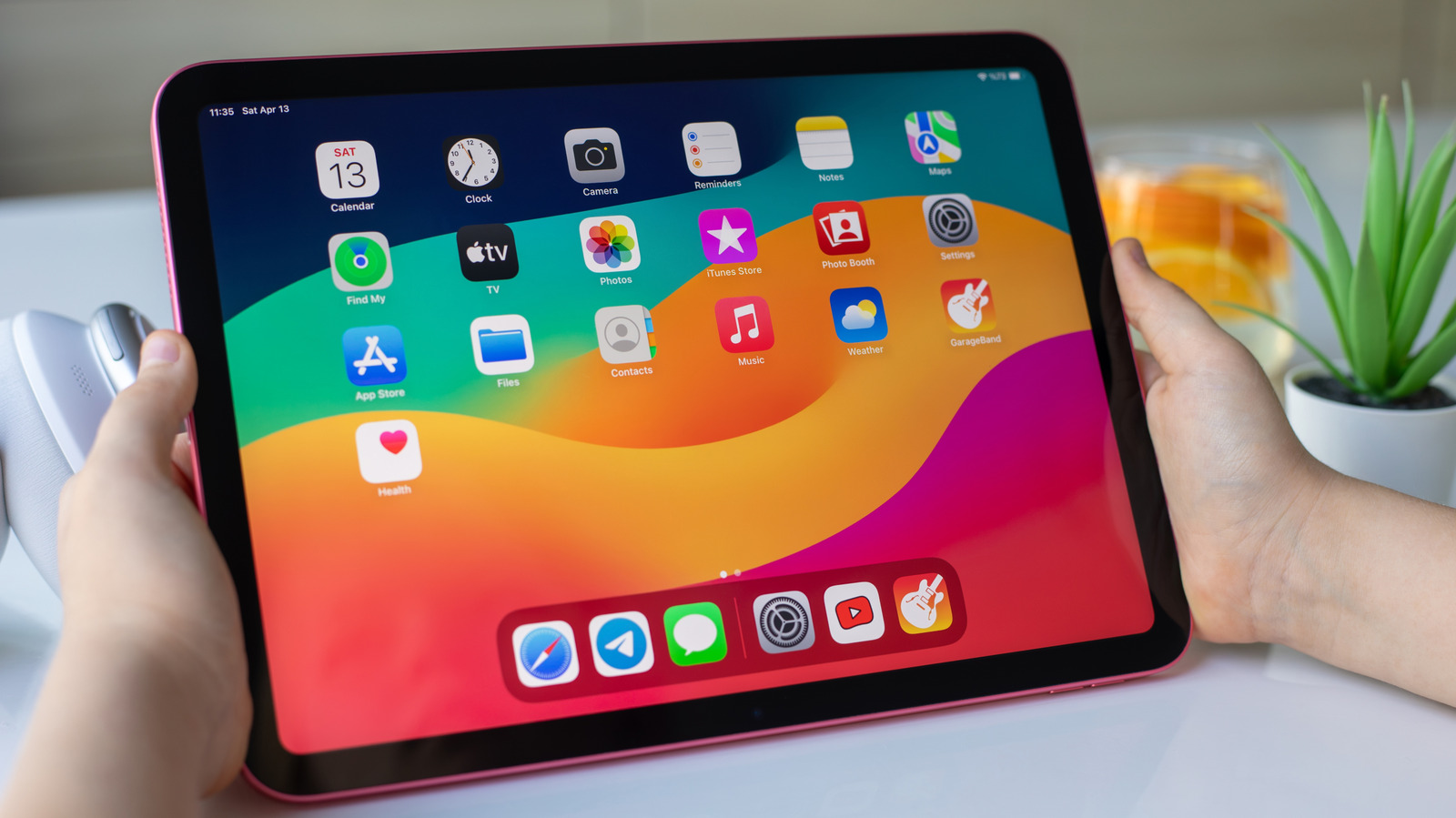
Old iPads can replace costly smart gadgets
An old iPad can replace expensive gadgets costing between $150 and $300.
PlayStation 5 Pro PC build cost and comparison
Sony's PlayStation 5 Pro costs up to $900 before add-ons.
Old phone smart home remote setup guide
Old smartphones or tablets can be repurposed as a dedicated smart home dashboard to control lights, cameras, and robot vacuums.
Want to Work Remotely for US & Global Tech Companies?
400+ verified remote positions in AI engineering, cloud development, design, and executive leadership are hiring now worldwide. Fast-track direct application with guaranteed employer delivery.
Subscribe to Our Daily AI & Market Briefing
Get our curated daily news brief, clear market takeaways, and essential video dispatches delivered directly to your inbox.