Samsung SmartTag3 tracking range and features explained
AI-assisted summary based on reporting fromEngadget.About our reporting
Key Points
- •Samsung released the third-generation Galaxy SmartTag, offering a longer reach than previous models.
- •The SmartTag3 features a rounded-square shape, smaller size, and better battery life.
- •Samsung states the new tag can be detected roughly three times farther than older versions.
Listen to this story (Audio briefing)
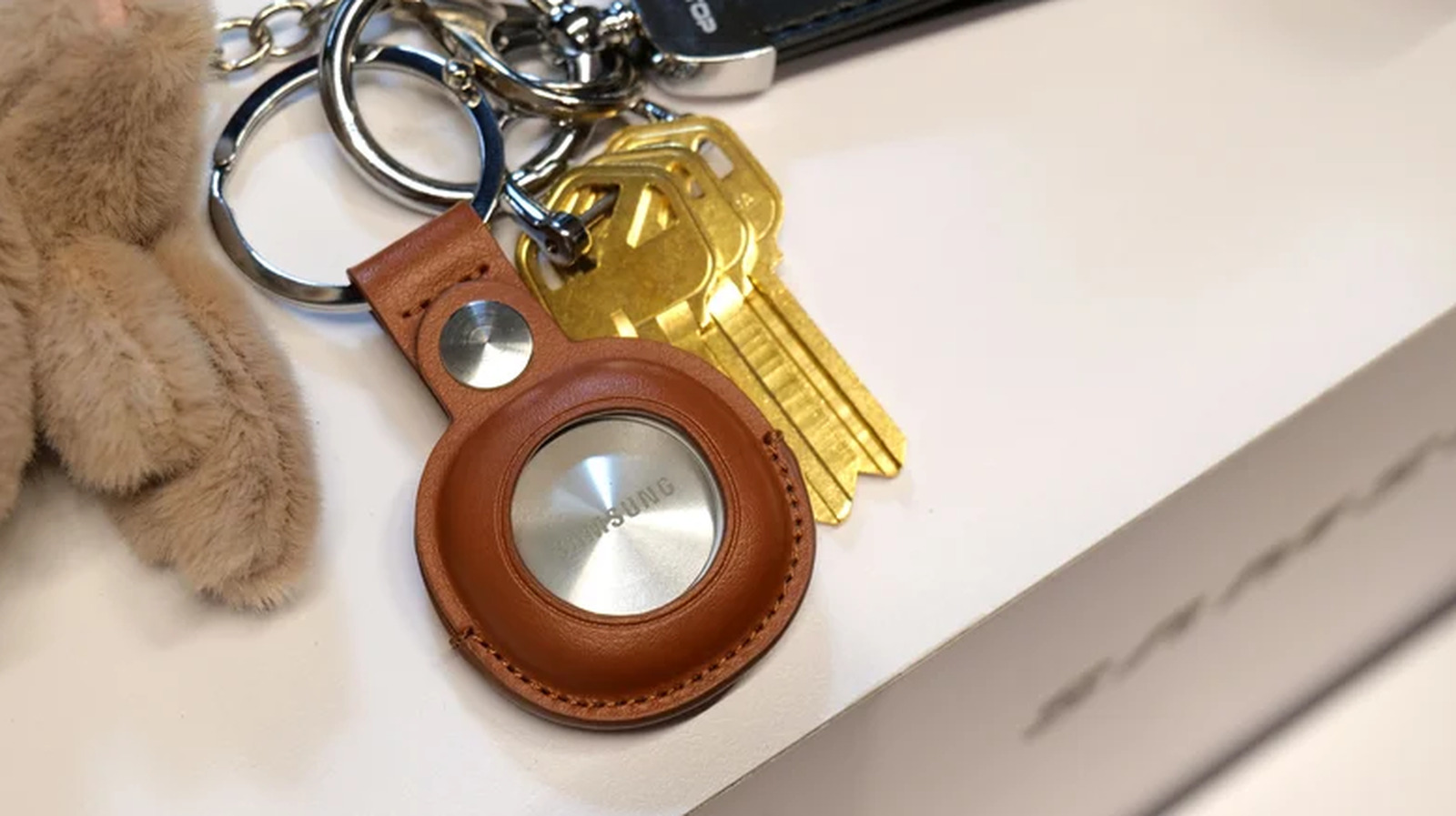
Samsung has released a third-generation item tracker known as the Galaxy SmartTag3. The company states that the new device offers a longer reach than past models, promising that the hardware can be detected roughly three times farther than previous generations. This capability relies on a mix of Bluetooth and ultrawideband technology. The physical design has also changed, resulting in a smaller device with a rounded-square shape rather than an oblong one, alongside better battery life.
When tracking items nearby, the device utilizes direct, close-range tracking. Bluetooth 6.0 Channel Sounding enables the Compass View feature to deliver distance and directional guidance from approximately 200 feet away. Additionally, a Bluetooth LE connection allows users to check signal strength and modify settings from up to 400 feet away. However, Samsung notes that these distances represent a best-case scenario requiring a direct line of sight. Obstacles such as walls, furniture, or other electronic devices will shorten this effective range.
Furthermore, utilizing the extended Compass View range requires a compatible Galaxy device. At present, only a few models are supported, including the Samsung Galaxy Z Fold8 Ultra, Z Fold8, S26 Ultra, and S26 Plus, though more supported devices are expected over time.
When items move completely out of Bluetooth range, the tracker relies on the crowdsourced Galaxy Find Network. Samsung reports that this network comprises more than 900 million participating Galaxy devices worldwide. These nearby phones can detect a lost tag and relay its location back to the owner.
Analysis: Understanding the tracking limits of Bluetooth versus crowdsourced networks helps buyers set realistic expectations before purchasing item trackers. Hardware compatibility requirements also dictate which users can access advanced features like Compass View.
Related Stories in AI & Tech
More in AI & Tech →
Smartphone battery life: how to charge your device
Smartphone batteries are lithium-ion and degrade over time based on charging habits and temperature.

Mechanical vs. membrane keyboards: A comparison
Membrane keyboards use a flexible layer of plastic and rubber to register keystrokes.

Smart TV lifespan and how long displays last
On average, a new smart TV can last from seven to 10 years.

Intel Arc GPUs: Are they still worth buying in 2026?
Intel launched its Arc GPU lineup in 2022, initially facing criticism for poor drivers and system instabilities.

Old iPads can replace costly smart gadgets
An old iPad can replace expensive gadgets costing between $150 and $300.

PlayStation 5 Pro PC build cost and comparison
Sony's PlayStation 5 Pro costs up to $900 before add-ons.
Want to Work Remotely for US & Global Tech Companies?
400+ verified remote positions in AI engineering, cloud development, design, and executive leadership are hiring now worldwide. Fast-track direct application with guaranteed employer delivery.
Subscribe to Our Daily AI & Market Briefing
Get our curated daily news brief, clear market takeaways, and essential video dispatches delivered directly to your inbox.