Prisons authorized to use contraband phone jamming
AI-assisted summary based on reporting fromArs Technica.About our reporting

Key Points
- •Prisons have received permission to jam contraband mobile phones.
- •CTIA reported that jamming tests affected devices outside of prison facilities.
- •Interference from jamming technology reached up to two and a half miles away.
Listen to this story (Audio briefing)
Prisons have been granted authorization to implement technology designed to jam contraband mobile phones. This move aims to address the presence of unauthorized devices within correctional facilities. However, the CTIA has raised concerns regarding the potential for this technology to affect mobile devices located outside of prison grounds. According to the CTIA, testing of the jamming equipment showed that the signal disruption was not contained within the intended boundaries. The organization stated that the jamming test showed "interference... up to two and a half miles away." This suggests that the use of such technology could impact the connectivity of mobile phones belonging to individuals who are not inside the prison. The potential for widespread signal disruption beyond the facility walls remains a point of contention regarding the deployment of these jamming systems in correctional environments.
Analysis: The authorization of jamming technology highlights a conflict between prison security needs and the connectivity rights of the general public. The reported range of interference suggests that implementing these systems could inadvertently disrupt communication services for people living or working near correctional facilities.
Related Stories in AI & Tech
More in AI & Tech →
Smartphone battery life: how to charge your device
Smartphone batteries are lithium-ion and degrade over time based on charging habits and temperature.

Mechanical vs. membrane keyboards: A comparison
Membrane keyboards use a flexible layer of plastic and rubber to register keystrokes.
Smart TV lifespan and how long displays last
On average, a new smart TV can last from seven to 10 years.
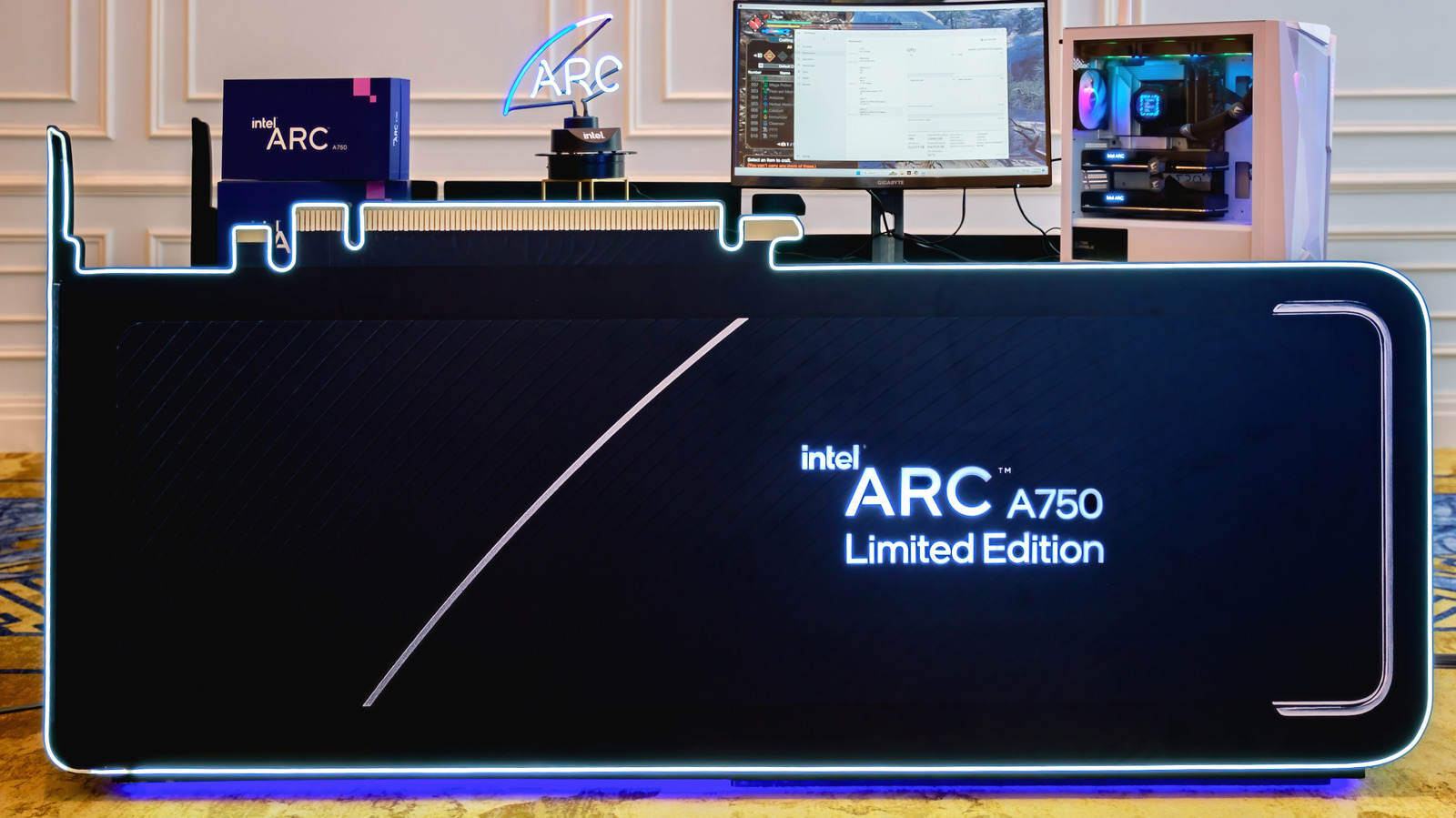
Intel Arc GPUs: Are they still worth buying in 2026?
Intel launched its Arc GPU lineup in 2022, initially facing criticism for poor drivers and system instabilities.
Old iPads can replace costly smart gadgets
An old iPad can replace expensive gadgets costing between $150 and $300.
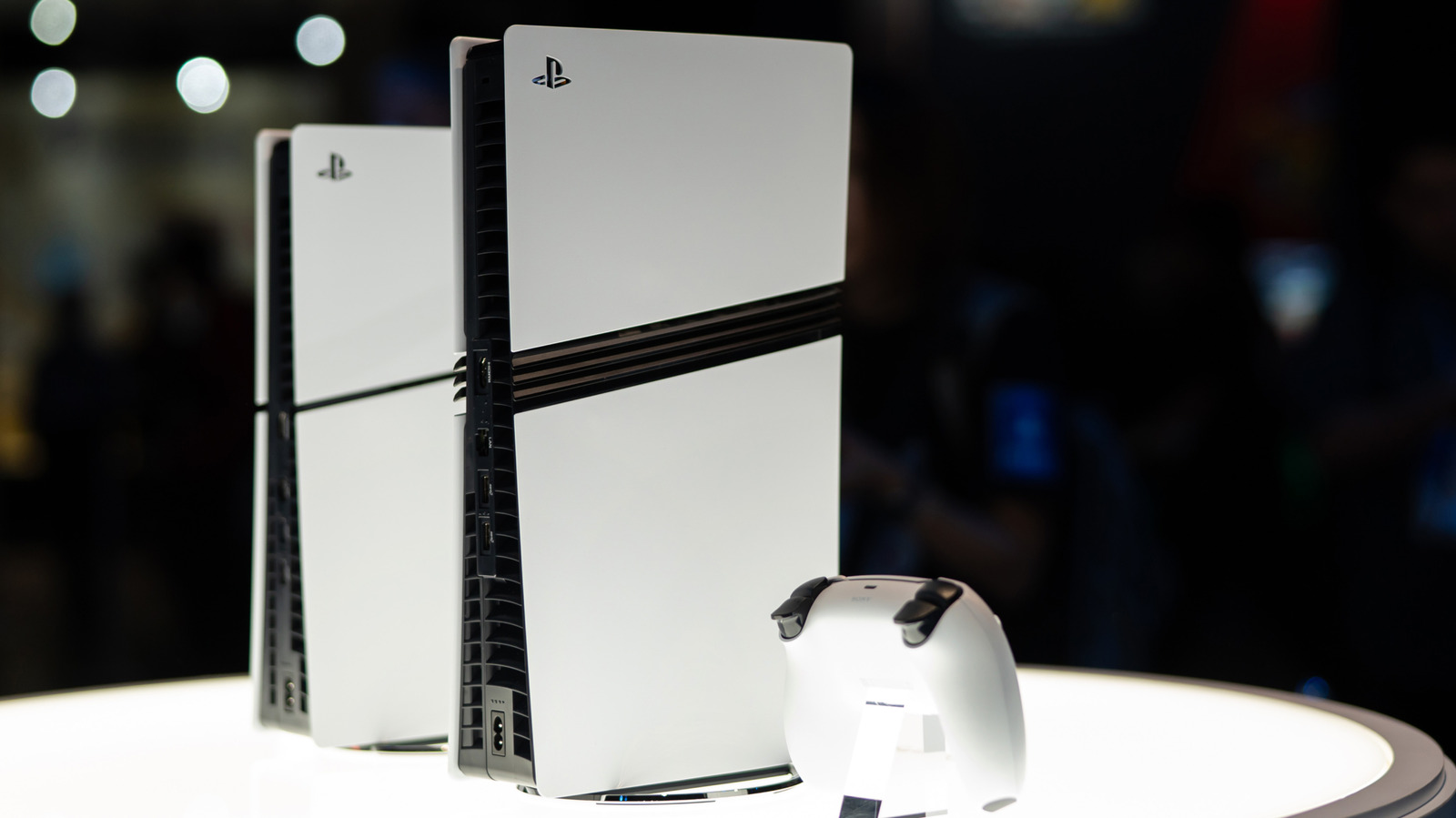
PlayStation 5 Pro PC build cost and comparison
Sony's PlayStation 5 Pro costs up to $900 before add-ons.
Want to Work Remotely for US & Global Tech Companies?
400+ verified remote positions in AI engineering, cloud development, design, and executive leadership are hiring now worldwide. Fast-track direct application with guaranteed employer delivery.
Subscribe to Our Daily AI & Market Briefing
Get our curated daily news brief, clear market takeaways, and essential video dispatches delivered directly to your inbox.