Gasoline-powered Volvo XC60 and XC90 receive 2028 updates
AI-assisted summary based on reporting fromArs Technica.About our reporting
Key Points
- •Volvo updated the XC60 and XC90 plug-in hybrid models for the 2028 model year.
- •The vehicles feature a 2.0 L four-cylinder direct-injection gasoline engine paired with electric motors.
- •The updated models are scheduled to reach US customers in the first quarter of next year.
Listen to this story (Audio briefing)
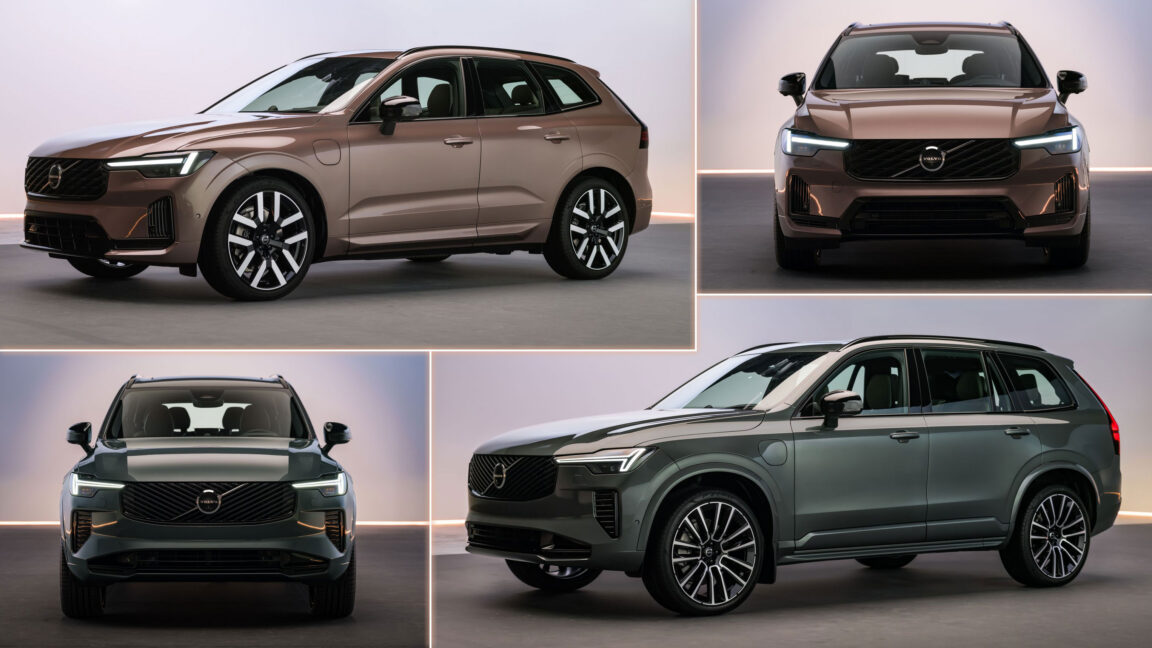
Volvo has introduced updates to its XC60 and XC90 plug-in hybrid vehicles, focusing on technology and battery capacity for the 2028 model year. The company opted for a lifecycle refresh rather than developing entirely new replacements for these models. While the XC90 previously received a new look, the XC60 now features a similar grille and matrix headlights. The Swedish automaker has prioritized updating the technology within these vehicles, specifically by installing a larger battery in the plug-in hybrid versions. This battery is designed to provide enough capacity for several days of typical daily driving before a recharge is required. Additionally, the interiors have been updated to provide a different experience for occupants, alongside the integration of modern infotainment systems.
Both the midsize XC60 and the three-row XC90 utilize the same plug-in hybrid powertrain. This system includes a 2.0 L four-cylinder direct-injection gasoline engine that produces 247 hp and 226 lb-ft of torque. This engine works in tandem with a 70 hp electric motor to drive the front wheels. A second electric motor located at the rear axle provides an additional 174 hp and 228 lb-ft of torque. The combined output for the entire hybrid system is 455 hp and 560 lb-ft of torque. Although the technical details were shared in September, the vehicles are currently entering production. The first US customers are expected to receive their updated vehicles during the first quarter of next year. As noted in the report, "There’s just one thing we still don’t know: How much will they cost?"
Analysis: These updates reflect Volvo's strategy of extending the lifecycle of existing models through technical enhancements rather than full replacements. By focusing on battery capacity and infotainment, the company aims to keep these vehicles competitive in markets where full electrification is not yet universal.
Related Stories in AI & Tech
More in AI & Tech →
Smartphone battery life: how to charge your device
Smartphone batteries are lithium-ion and degrade over time based on charging habits and temperature.

Mechanical vs. membrane keyboards: A comparison
Membrane keyboards use a flexible layer of plastic and rubber to register keystrokes.

Smart TV lifespan and how long displays last
On average, a new smart TV can last from seven to 10 years.

Intel Arc GPUs: Are they still worth buying in 2026?
Intel launched its Arc GPU lineup in 2022, initially facing criticism for poor drivers and system instabilities.

Old iPads can replace costly smart gadgets
An old iPad can replace expensive gadgets costing between $150 and $300.

PlayStation 5 Pro PC build cost and comparison
Sony's PlayStation 5 Pro costs up to $900 before add-ons.
Want to Work Remotely for US & Global Tech Companies?
400+ verified remote positions in AI engineering, cloud development, design, and executive leadership are hiring now worldwide. Fast-track direct application with guaranteed employer delivery.
Subscribe to Our Daily AI & Market Briefing
Get our curated daily news brief, clear market takeaways, and essential video dispatches delivered directly to your inbox.