Science (Page 3)
Fact-based reporting on space exploration, energy transitions, climate research, and scientific discoveries. We distill peer-reviewed studies and primary announcements into concise, accessible journalism.

Some of the oldest rocks ever discovered shed light on Earth's...
Earth is approximately 4.

Archaeologists shed new light on wealth and status among Europ...
How unequal were prehistoric societies? And how can archaeologists measure wealth in cultures that left behind no written records, no tax registers and no census data? Further developments expected as details emerge.

A common food emulsifier could solve one of rocketry's oldest...
In propulsion system design, engineers have long faced a trade-off between solid and liquid rocket fuels.

Scientists find a simple daily routine linked to less pain and...
A simple change to your daily routine could make a surprising difference in how you feel, both physically and mentally.

The role of social relationships in scaling agricultural innov...
A study published in Frontiers in Sustainable Food Systems reveals that, although partnerships and institutional collaboration feature prominently in climate-oriented agricultural research, their relationship with the scaling of innovations is rarely explicitly documented.

Heavier-than-expected electron behavior may explain slower ele...
Power electronic devices help control the flow of electricity and convert it into forms needed by different machines, such as electric vehicles, renewable energy systems and industrial equipment.
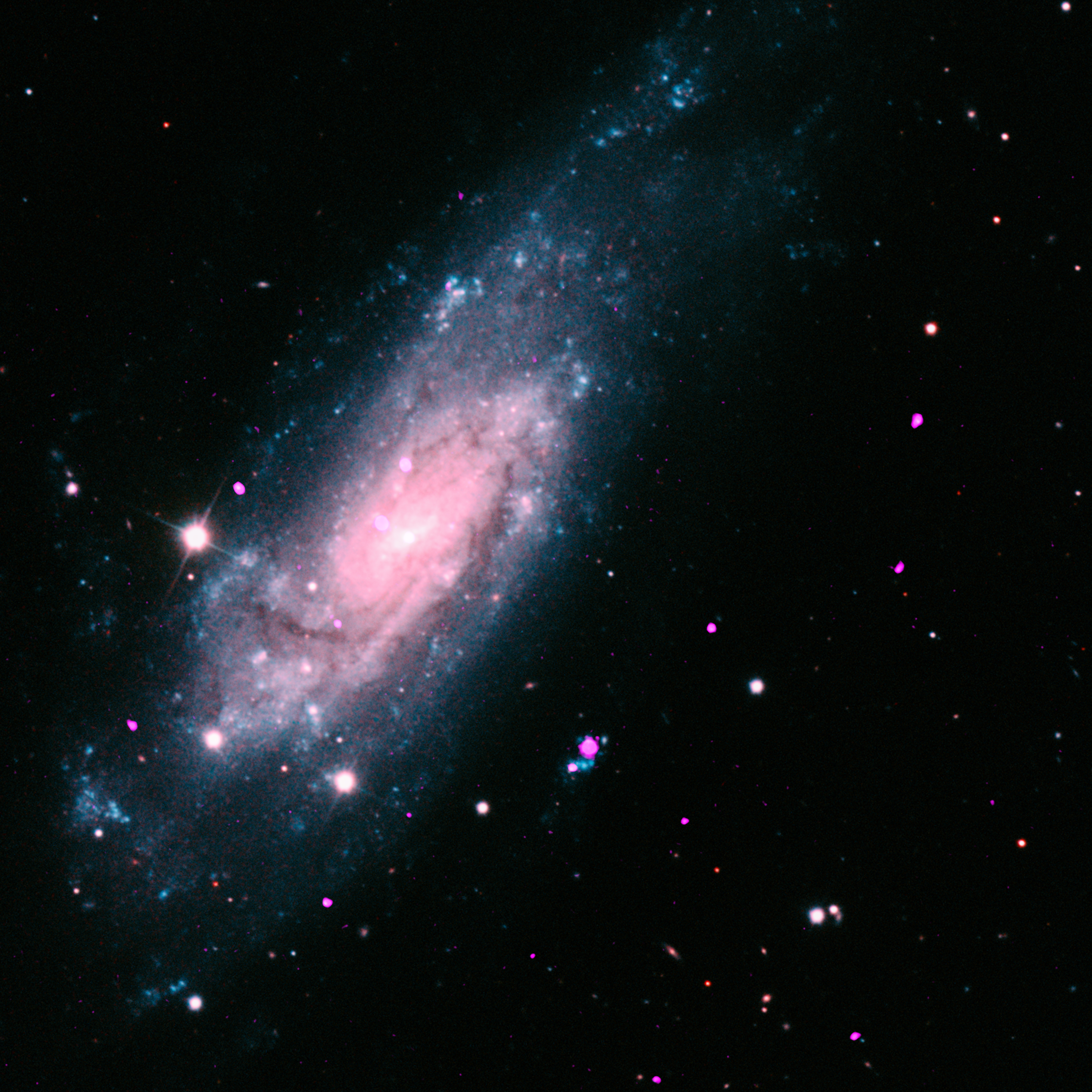
Outbursts from a Massive Star
Using NASA’s Chandra X-ray Observatory, astronomers have discovered what is triggering repeated outbursts from a giant, unstable star located in the galaxy shown in this image released on Nov.

Fiji petrel eludes 10-day search as communities aim to protect...
A new study details scientists' search for one of the planet's rarest birds in the waters off Fiji's Gau Island.

Scientists successfully swap all fish products in aquafeed to...
Global fish production and consumption have hit new heights, according to the United Nations.

Gemini and DECam showcase a young Type Ia supernova
A star's explosive demise has added a shiny new feature to NGC 1433, a barred spiral galaxy approximately 50 million light-years away in the southern constellation Horologium (the Pendulum Clock).
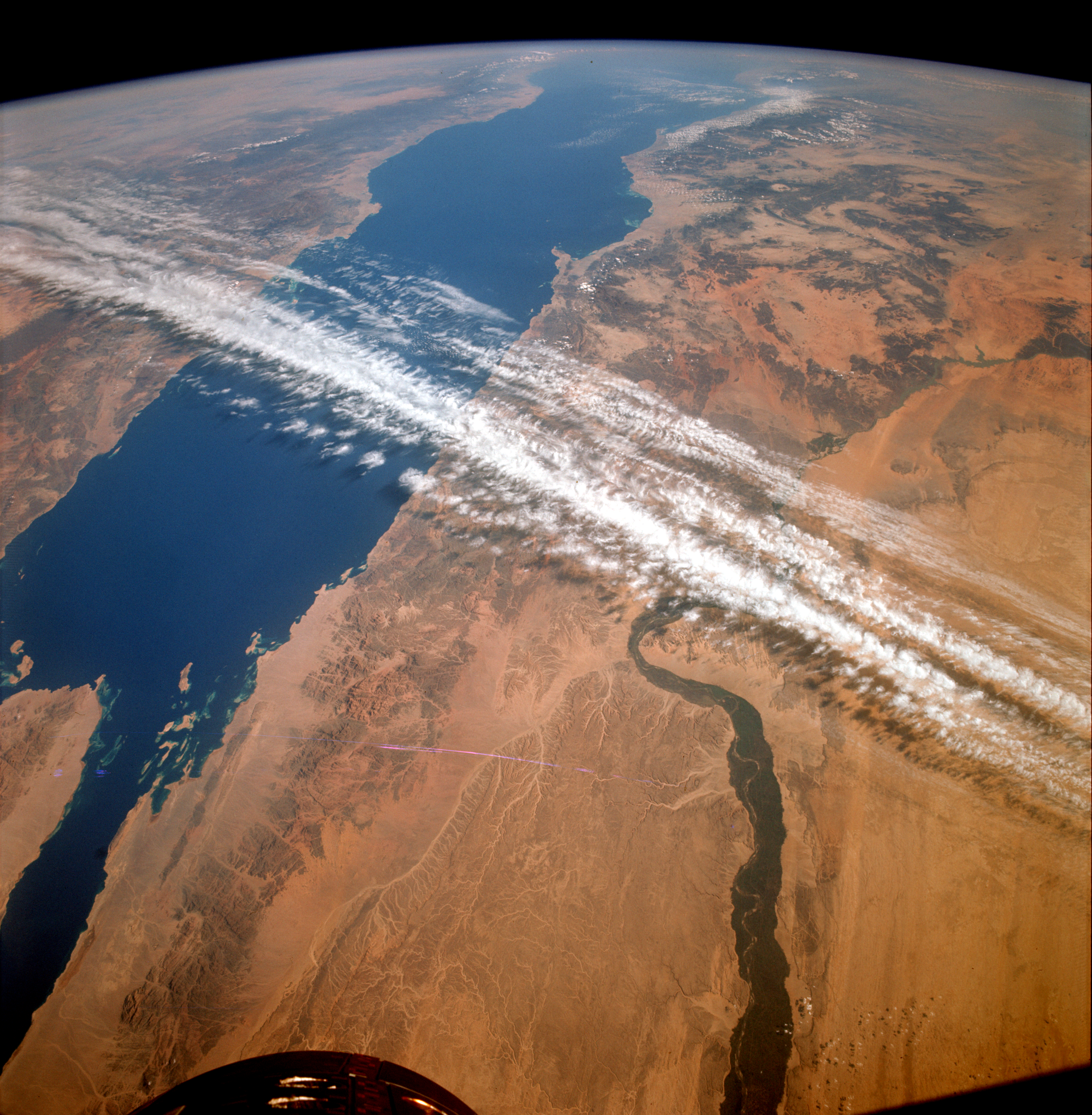
Gemini Astronaut Photos Inspired Early Earth Observation Program
Astronauts James A.

Direct observation of a submarine landslide reveals seafloor p...
Submarine landslides have significant implications for marine ecology and infrastructure, yet these unpredictable events have remained challenging to study.

Act now against El Niño or costs will double, UNDP warns
Acting now to counter the devastating effects of the El Niño phenomenon will cost half as much as waiting, the head of the U.

Why climate anxiety makes some youth take action, while others...
While young people are constantly exposed to news about climate change, their resulting anxiety does not always translate into environmental action.

Solving the space junk crisis isn't just about counting trash—...
If people ever think about cleaning up space debris, they typically think of something equivalent to a giant garbage truck in the sky, collecting lost astronaut tools and dead satellites, then hauling them back down to Earth to be deposited in a landfill.

Concrete and steel—or mangroves and forests? When it comes to...
What's the best way to protect ourselves against climate change? The default is to reach for concrete and steel to build seawalls, dikes, dams and drainage systems.

Wider daily temperature ranges linked to stronger fevers in am...
When amphibians and reptiles get an infection, they sometimes raise their body temperature above its usual level by moving to a warmer environment.

Scientists discover a hidden danger of viral infections that v...
A new study reveals that viral infections may leave behind hidden damage to the immune system long after symptoms disappear.

Helping Montreal and other cities keep more institutional and...
Businesses and institutions in just 6% of Montreal's mapped area account for about 100,000 metric tons (110,000 tons) of food waste sent to landfill each year—half of the total amount from nonhousehold sources in the city as a whole, McGill University researchers found.

How career stakes shaped China's one-child policy enforcement
China's one-child policy is widely considered one of the most stringent public policies in modern history.

Light-activated molecules in porous crystals show potential fo...
An international research team led by Nobuhiro Yanai from the University of Tokyo and Michael R.

Children are not colorblind: Why early conversations about rac...
Discussing racism with children can seem daunting to parents, caregivers and educators for several reasons.

Automated assembly in space is the future and NOM4D is showing...
If we want big things in space, we'll have to build and assemble them there.

The moon is not the Wild West: Experts call for a pause on lun...
As the powers and the private companies go full tilt with their plans to develop infrastructure and extract resources on the moon, the questions around environmental protection, international regulation and who benefits all come into play.
Subscribe to Our Daily AI & Market Briefing
Get our curated daily news brief, clear market takeaways, and essential video dispatches delivered directly to your inbox.