Science (Page 2)
Fact-based reporting on space exploration, energy transitions, climate research, and scientific discoveries. We distill peer-reviewed studies and primary announcements into concise, accessible journalism.
Contractor to Civil Servant: NASA Welcomes Jim Mirandy
The rumble of a rocket engine might be considered a soundtrack for Jim Mirandy’s life.

Quantifying dark modes to advance polariton chemistry
Researchers have resolved a long-standing paradox in polariton chemistry—a field that explores how to control chemical reactions by trapping molecules inside optical cavities where light and matter strongly interact (known as strong coupling).

New mechanical modulation method enables tunable multi-pulse f...
In a study published in Optical Fiber Technology, researchers from the Changchun Institute of Optics, Fine Mechanics and Physics of the Chinese Academy of Sciences have developed a new method to control multi-pulse generation in a 1972-nm mode-locked fiber laser.

Five ways to spot AI misinformation before you vote
Australian political parties are turning to AI "ensloppification" to win votes.
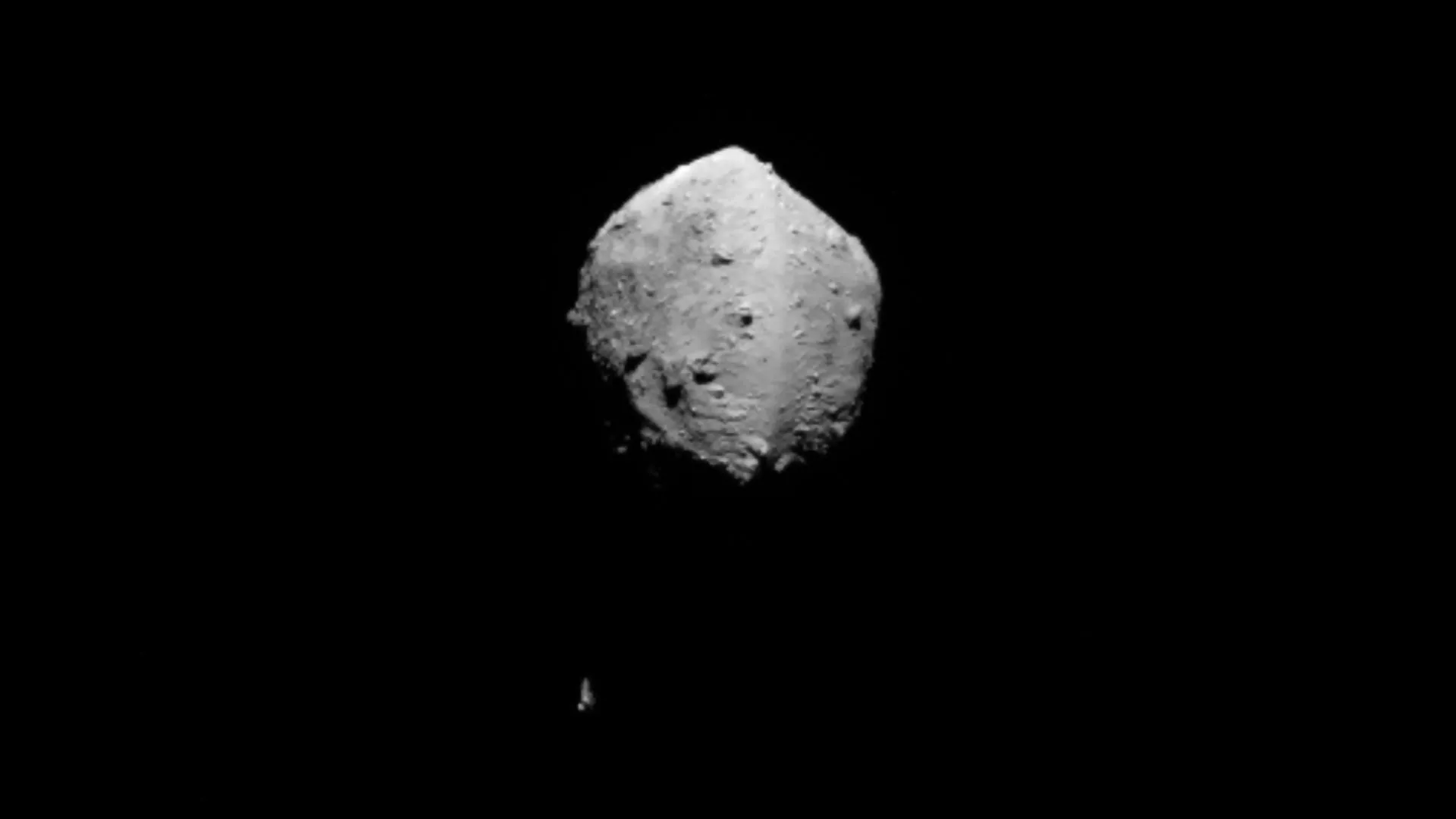
NASA smashed into an asteroid. Now Hera has revealed a strange...
A European spacecraft has revealed a mysterious, crater-covered side of the asteroid Didymos as it prepares to investigate the aftermath of NASA’s historic 2022 asteroid impact.

Foster care placement of American Indian and Alaska Native chi...
A new study shows that many jurisdictions have fallen short of the foster care placement guidelines of the Indian Child Welfare Act of 1978.

Wildfire modeling helps managers decide where to build and mai...
Fuel breaks are linear strips of land along which vegetation is cleared or thinned—constructed along ridgelines, roads and other strategic places—to give firefighters a better chance to safely slow or steer a fire.
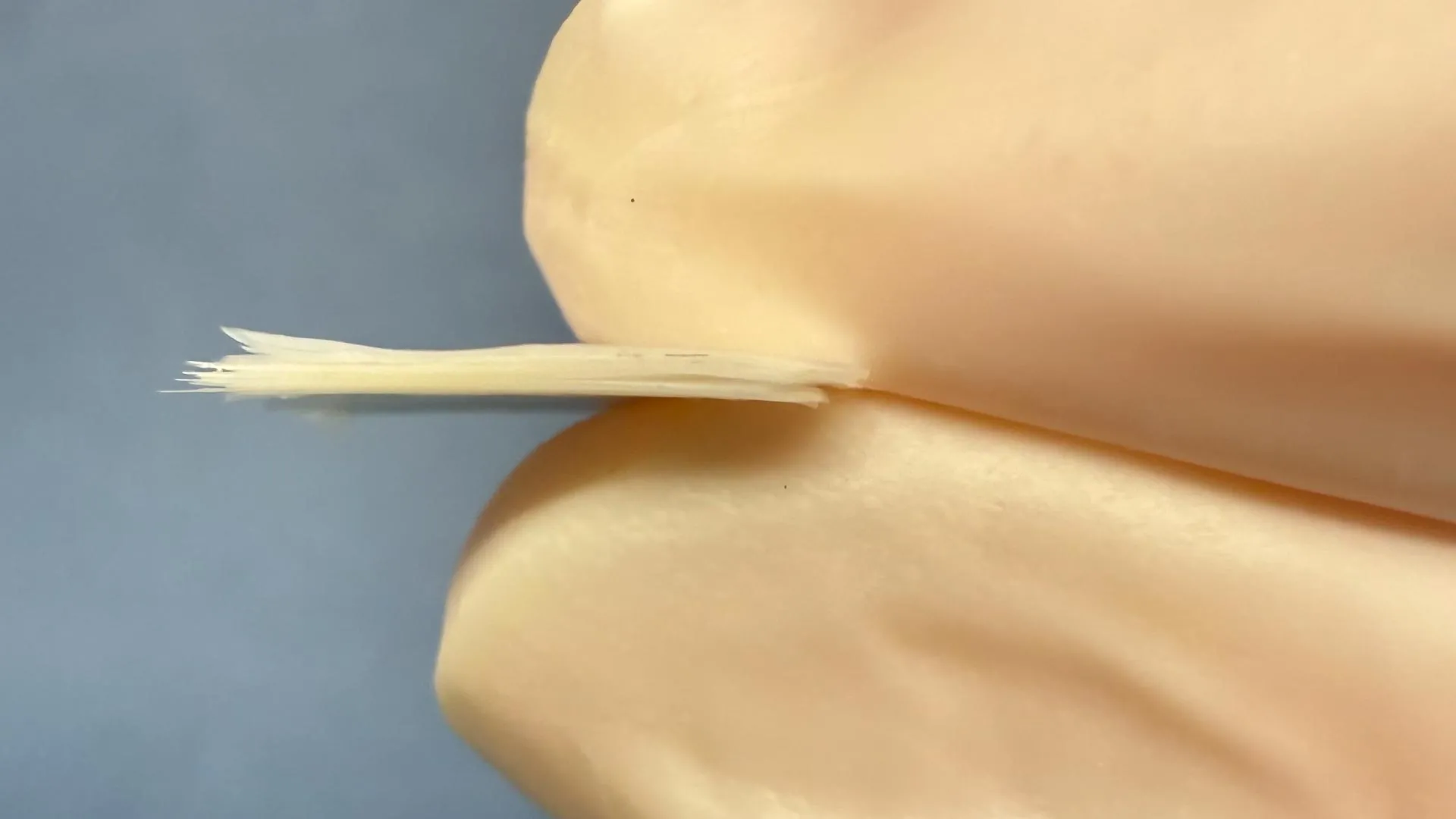
The secret to building Moon bases may be hiding in emergency b...
Scientists have turned the thin plastic used in emergency blankets into remarkably strong insulation that could help astronauts survive the Moon's extreme temperatures.

Rise in young people out of work and education largely driven...
The rise in the number of young people not in work, education or training (known as NEETs) in the U.
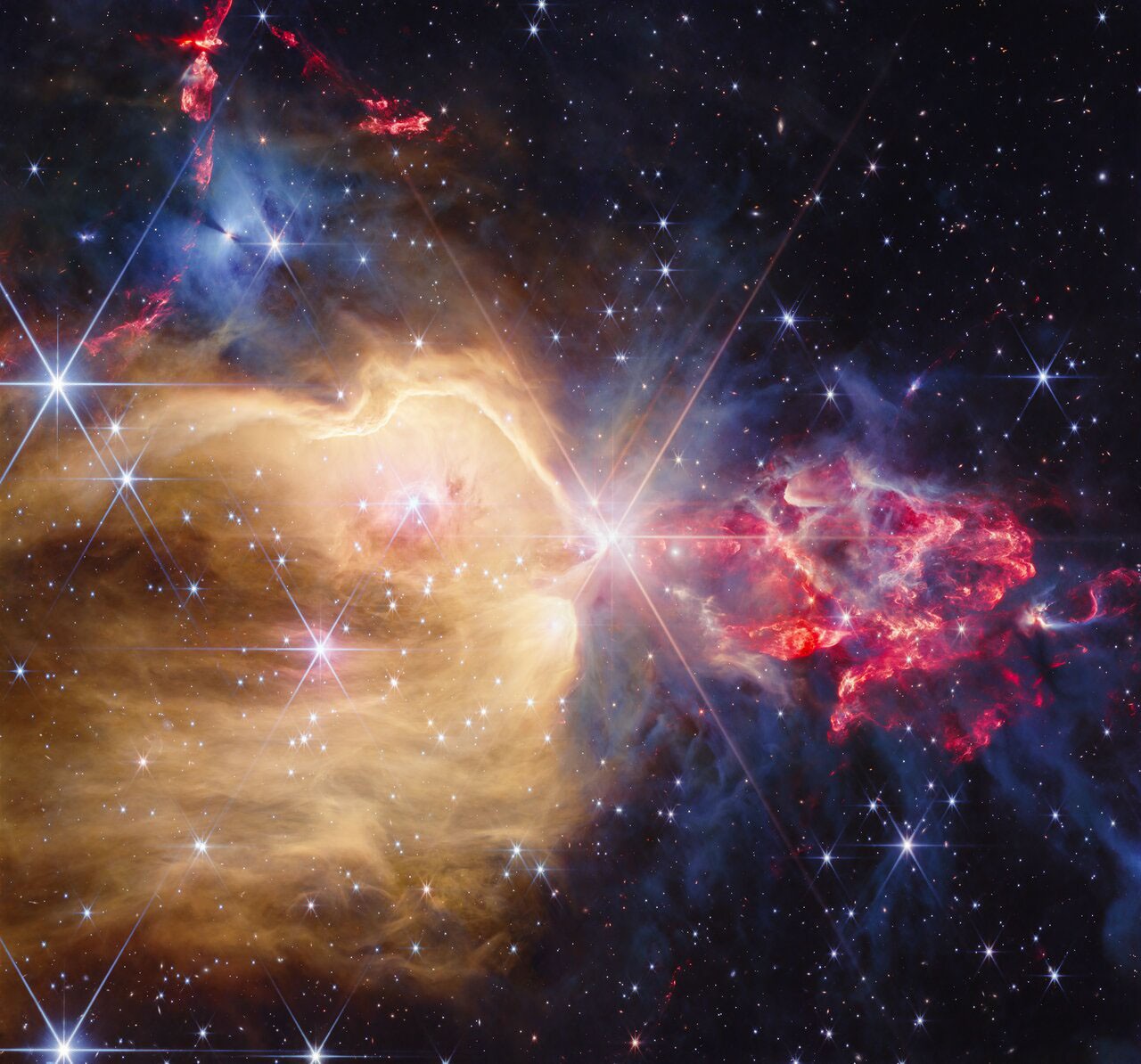
APOD: 2026 November 16 – NGC 7129: Star Formation with Jets fr...
APOD Science APOD APOD: 2026 November 16 – NGC… Today’s APOD Archive Submissions Index Search Calendar RSS Education About Discuss APOD Astronomy Picture of the Day Discover the cosmos! Each day a different image or photograph of our fascinating universe is featured, along with a brief explanation written by a professional astronomer.

Why aging stars suffer a sudden luminosity dip
From a naked-eye perspective, stars are stable and predictable.

Milk and wine used in Menorcan funerary rituals over 2,000 yea...
In the Late Iron Age, or post-Talayotic period, over 2,000 years ago, Menorca and the other Balearic Islands experienced increasing connectivity with the wider Mediterranean.

When the Saudi desert was green: A 125,000-year-old lakeside r...
Megafauna remains, stone tools and rare plant material recovered from the 125,000-year-old lakeside site of Uruq al-Julaybah in Mundafan, southern Saudi Arabia, provide one of the most detailed pictures yet of prehistoric human life in Arabia.

The experiments improving our understanding of volcanic tsunamis
Tsunamis triggered by volcanic eruptions are poorly understood because of the complex dynamics governing how falling rocks and ash interact with seawater to generate waves.

Tangled quantum whirlpools caught unraveling in an ultracold gas
When a cloud of atoms is cooled close to absolute zero, its atoms can merge into a Bose–Einstein condensate (BEC): an exotic fluid in which atoms across the whole cloud share a single quantum state.

Giant, prehistoric rodent fossils discovered in southern Thailand
An international team of paleontologists, including researchers from McGill University, has discovered "remarkably large" rodent fossils in the pit of a mine in southern Thailand.

Vitamin C could help block cancer-linked chemicals in your sto...
Scientists have discovered that vitamin C may help prevent potentially cancer-causing chemicals from forming in the stomach after eating foods containing nitrates and nitrites.

New observations challenge evidence for an 'outsize' black hol...
A recent reanalysis of the outsize black hole galaxy UHZ1 using existing X-ray data and new infrared observations challenges a previous groundbreaking claim.
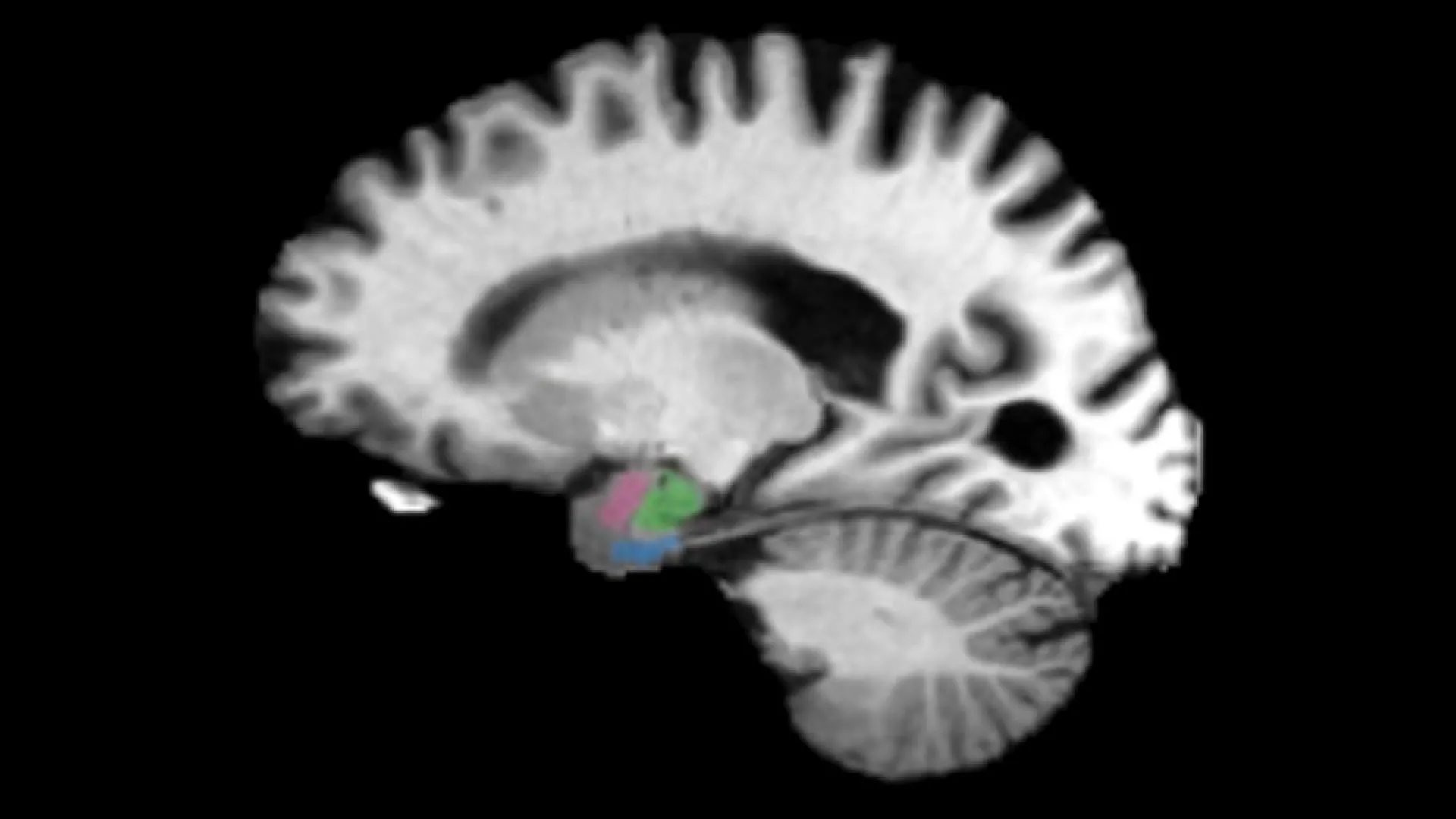
Alzheimer’s may start shrinking two brain regions years before...
Johns Hopkins scientists have uncovered hidden warning signs of Alzheimer’s disease that may appear up to a decade before memory loss begins.

Is this iconic black hole image accurate? New study delivers a...
On April 10, 2019, the Event Horizon Telescope (EHT) Collaboration revealed the first picture of a black hole.

Urban expansion causes ecological collapse in streams in the S...
The advance of urbanization in the São Paulo Metropolitan Area in Brazil is causing the collapse of food webs in local streams.

A dead star is flashing radio waves every 8 minutes, and its p...
Since 2022, astronomers have been puzzling over a new kind of cosmic object called long-period radio transients.

Does your culture shape how you look at art? What an eye‑track...
Today, Old Dongola is an abandoned settlement on the banks of the Nile in northern Sudan.

A cosmic magnifying glass could reveal the same supernova two...
Thanks to the gravitational lensing caused by a massive galaxy cluster and high-resolution images from the James Webb Space Telescope (JWST), astronomers discovered an exploding star when the universe was 4.
Subscribe to Our Daily AI & Market Briefing
Get our curated daily news brief, clear market takeaways, and essential video dispatches delivered directly to your inbox.